

Can You Apply Varnish Over Linseed Oil? The 2026 Guide to Curing Times and Compatibility
Yes, varnish can go over linseed oil. Let the oil cure first for three to seven days. If you rush it, uncured oil may stay trapped beneath the finish, causing peeling or a cloudy surface.
Drying times may also change under the new July 2026 EPA VOC standards.
The materials don’t cost the same.
The Short Answer: Yes, But Only After Full Cure
Waiting only 24 hours is a gamble. You’ll probably lose. Boiled linseed oil may feel dry after a day or two, yet chemical hardening inside the wood fibers continues.
Varnish can go over linseed oil, but only after the oil has fully cured.
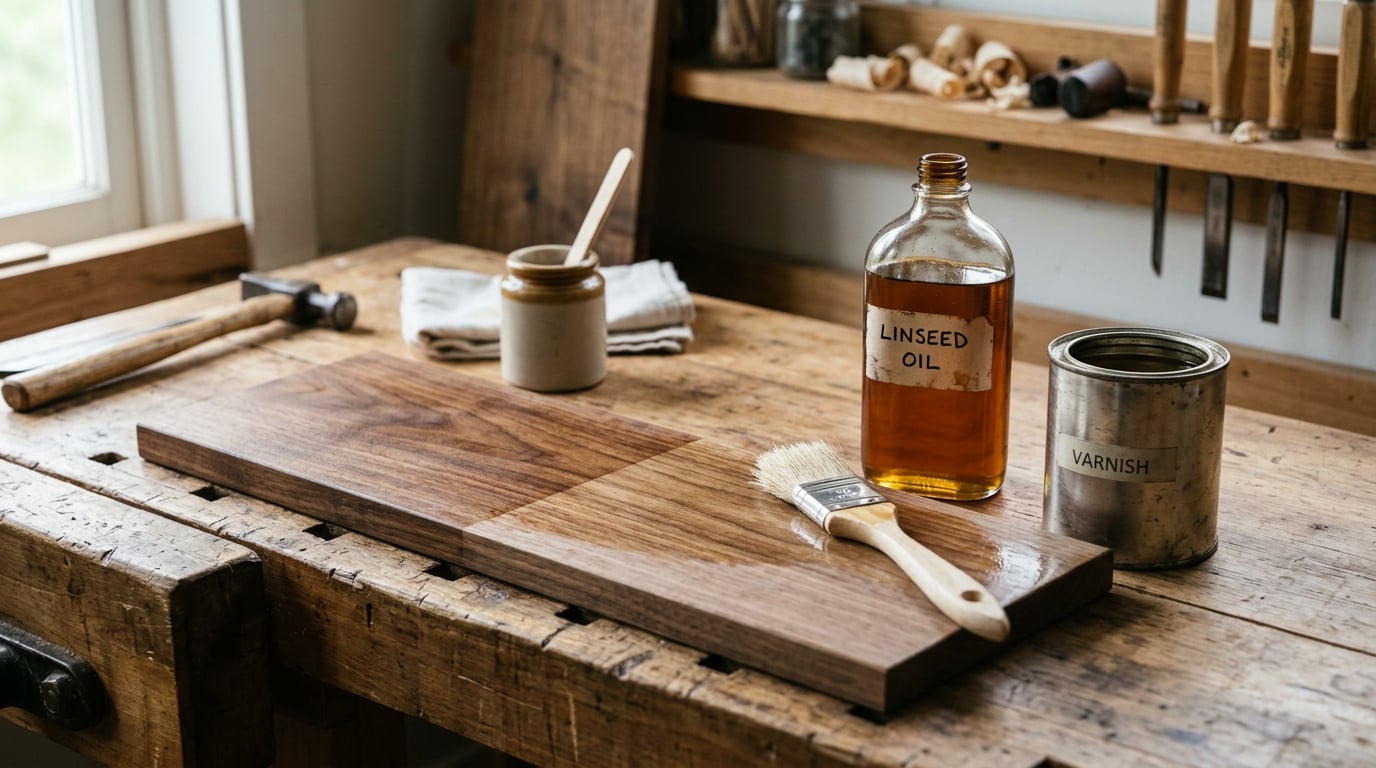
The pairing works when the coats get enough time apart. Linseed oil settles into the wood grain, bringing color and some protection with it, while varnish builds a durable, scratch-resistant film above it. You get the warm appearance of oil with the toughness of polyurethane, although the timing matters more than the product pairing.
Klean-Strip Boiled Linseed Oil, which typically costs between $11.99 and $15.99 for a quart, fits this kind of finish schedule. An oil-based topcoat such as Minwax Fast-Drying Polyurethane ($19.99 to $26.33 per quart) should adhere well because both products have similar chemical bases. The real question is simple: when should the varnish go on?
Give boiled linseed oil at least three to seven days to harden before varnishing.
Metallic driers in boiled linseed oil can bring the curing time down to 24 to 72 hours under ideal conditions. That’s the optimistic version. Dry and cured aren’t the same thing.
New EPA standards for VOC content, effective July 2026, have changed the formulation density of some finishes, which may affect drying times. Raw linseed oil is slower still because it contains no added driers. It may need weeks or months to cure, which makes it a poor match for a quick varnish project.
Varnish applied too soon can seal in uncured oil, leaving the finish soft and prone to peeling.
Once varnish closes over wet oil, its solvents can soften the layer below. Instead of hardening cleanly, the finish may stay gummy, remain tacky for months or even years, gather dust, and fail to protect the wood. It’s an avoidable mess.
- The varnish can lose adhesion and peel off in large sheets.
- The wood underneath stays vulnerable because the finish never becomes a solid barrier.
Understanding the Chemistry of Drying Oils and Varnishes
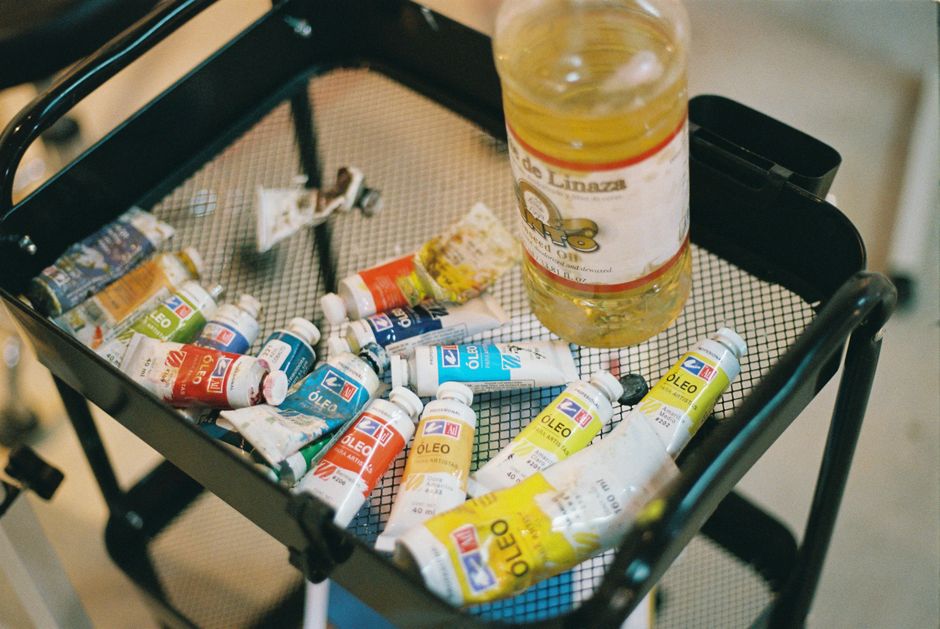
Metallic salts, including cobalt naphthenate, speed the oxidation reaction that transforms liquid oil into a solid film. That’s a different mechanism from solvent evaporation.
What is the difference between raw and boiled linseed oil?
Raw linseed oil has no chemical accelerants. It must absorb atmospheric oxygen and polymerize on its own, a painfully slow process that can take weeks or even months before the surface becomes tack-free.
Dust has plenty of time to settle during that wait. For topcoats, most woodworkers therefore skip raw oil.
Boiled linseed oil, including Klean-Strip and Washin Paint variants, contains added metallic driers that help it cure within 24 to 72 hours. The convenience costs a little more: a quart of Klean-Strip runs between $11.99 and $15.99, which is a modest premium compared with waiting weeks.
How do metallic driers accelerate the curing process in 24 to 72 hours?
They aren’t traditional dryers. Driers function as catalysts, helping the oil absorb oxygen faster and setting off cross-linking among its fatty acid chains. A hard, durable film develops much sooner than it would without those additives.
There’s a serious catch: heat. Because rapid oxidation is exothermic, it releases energy, and a pile of rags soaked in boiled linseed oil can spontaneously combust. Don’t leave those rags heaped together.
Their chemistry is still active.
Why does the new EPA VOC regulation, effective July 2026, matter for your finish?
Fumes are another consideration. If you’re sensitive to them or working somewhere with poor ventilation, check the label for VOC content.
Critical Safety Warnings and Common Mistakes
Shop fires linked to oily rags happen every week. Usually, the scene is unremarkable: a crumpled cloth dropped into a corner bin. Yet the chemistry is serious.
Heat forms faster than it can escape, and a routine cleanup can become a structural threat.
Why do rags soaked in linseed oil pose a spontaneous combustion risk?
Linseed oil cures by oxidizing. As its molecules link with oxygen in the air, the reaction releases significant heat. Fold the rag into a tight bundle and that heat gets trapped between layers of fabric, where insulation slows cooling and pushes the temperature upward until the cloth reaches its ignition point.
No spark or flame is needed.
Don’t leave used rags in a pile. Instead, lay them flat outdoors on concrete or metal and let them dry completely before disposal. Another option is a sealed metal container filled with water and detergent.
That setup cuts off the oxygen supply and stops the heating cycle.
What happens if you skip the cure time and varnish immediately?
Minwax Fast-Drying Polyurethane can form a quick surface skin when it’s applied over linseed oil that hasn’t fully cured, but solvents then remain trapped beneath the film. The oil below keeps oxidizing and releasing gas for weeks. Within months, pressure may wrinkle or cloud the finish, or force it to peel away in sheets.
It may look bonded at first. That appearance doesn’t tell you much about durability, because varnish can’t reliably adhere to a surface that remains chemically active and continues shifting. Waiting an extra three to seven days lets the oil become inert and gives the topcoat a stable foundation.
How do price and performance compare between Klean-Strip Oil and Minwax Varnish?
Klean-Strip Boiled Linseed Oil typically sells for $11.99 to $15.99 per quart, so it remains an affordable penetrative sealer. Metallic driers help it cure in 24 to 72 hours, although it takes longer to become ready for varnish. The oil brings out the grain’s depth, but on its own it supplies little surface protection.
Minwax Fast-Drying Polyurethane costs more, ranging from $19.99 to $26.33 per quart. Its advantage is the durable barrier it creates against scratches, water, and wear. Linseed oil doesn’t provide that hard protective layer.
- Klean-Strip works best for initial wood conditioning and grain enhancement.
- Minwax supplies the hard shell required by high-traffic surfaces.
- New EPA VOC standards effective July 2026 may influence future formulations of both products.
- Used together, the products provide deep penetration followed by surface protection.
FAQ
What happens if I skip the wait and varnish too soon?
The finish will likely wrinkle, peel, or stay tacky indefinitely. Varnish forms a hard skin on top, but if the linseed oil underneath is still releasing gases or shrinking as it cures, that movement breaks the bond. You’ll see ugly ridges forming within hours, or the entire topcoat might lift off in sheets weeks later.
Fixing this mistake means stripping everything back to bare wood. You can’t just sand the surface smooth because the problem lives in the uncured oil trapped in the grain. It’s far cheaper to wait a week than to spend a weekend scraping off ruined finish.
Can I use water-based polyurethane over linseed oil?
It’s risky and often leads to poor adhesion. Water-based finishes rely on mechanical bonding to a stable surface, and residual oil can interfere with that grip, causing the clear coat to bead up or delaminate. Oil-based varnishes like Minwax Fast-Drying Polyurethane share a chemical compatibility with linseed oil that makes them a much safer bet.
If you absolutely must use a water-based topcoat for low odor or faster cleanup, you need an extra step. Apply a compatible bonding primer or sealant designed to bridge oil and water systems after the linseed oil has fully cured. Without that barrier, expect failure.
How do I safely dispose of oily rags after application?
Rags soaked in linseed oil can spontaneously combust if left in a pile. The curing process generates heat, and when bunched up, that heat has nowhere to go, potentially igniting the fibers. This isn’t a myth; it’s a common cause of workshop fires.
Lay each rag flat outdoors on concrete or hang it individually to dry completely before disposal. Once they are stiff and fully cured, they’re safe to toss in the trash. Never throw wet oily rags directly into an indoor garbage can or leave them crumpled in a corner.
Does the new 2026 EPA VOC rule change how long I need to wait?
The July 2026 EPA standards for VOC content have altered formulation density in some finishes, which may affect drying times. While boiled linseed oil still cures faster than raw oil thanks to metallic driers, these regulatory changes mean older timing rules might not apply perfectly to every new batch you buy.
Treat the three-to-seven-day window as a minimum baseline rather than a guarantee. Check the specific technical data sheet for your bottle of Klean-Strip Boiled Linseed Oil or Washin Paint Boiled Linseed Oil, as manufacturers adjust recipes to meet these new limits. When in doubt, give it an extra day.

Conclusion
Give the oil time. A full week of curing should pass before you brush on varnish, because sealing uncured oil beneath a hard shell can cause peeling or cloudiness later. It’s tempting to hurry, but patience is the only trick that matters here.
Good luck with the finish.
