Best Wood for Making a Bow | 2026 Products
Choosing the right wood for a bow is about more than appearance. The stave needs to suit your skill level, craftsmanship, and intended draw weight. If you’re learning, choose a wood that can tolerate mistakes.
If you’re refining a high-end build, you may prefer one with greater performance potential. This guide covers four options, from accessible hardwoods to rare, high-performance yew, and explains what to consider before tillering.
Which bow wood actually suits your skill level and budget?
| Product | Where to buy | Price | Buy |
|---|---|---|---|
| Osage Orange Stave | Pine Hollow Longbows, Echo Archery, Etsy | $65.00 – $250.00 | Search on Amazon |
| Hickory Stave | 3Rivers Archery | $45.00 – $110.00 | Search on Amazon |
| Pacific Yew Stave | — | $150.00 – $300.00 or more | Search on Amazon |
| Red Oak Board | — | — | Search on Amazon |
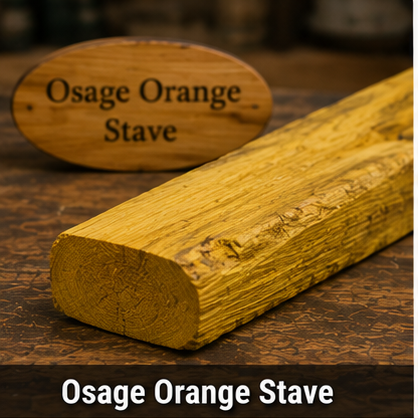
Osage Orange Stave
- Where to buy: Pine Hollow Longbows, Echo Archery, Etsy
- Price: $65.00 – $250.00
Working with Osage Orange demands respect for its grain structure, specifically because construction requires chasing a heartwood growth ring to ensure durability. This isn’t a casual weekend project wood; it rewards patience with a dense, resilient limb that holds cast well over time. Prices sit between $65.00 and $250.00, reflecting the variability in grain quality and stave length.
Hickory Stave
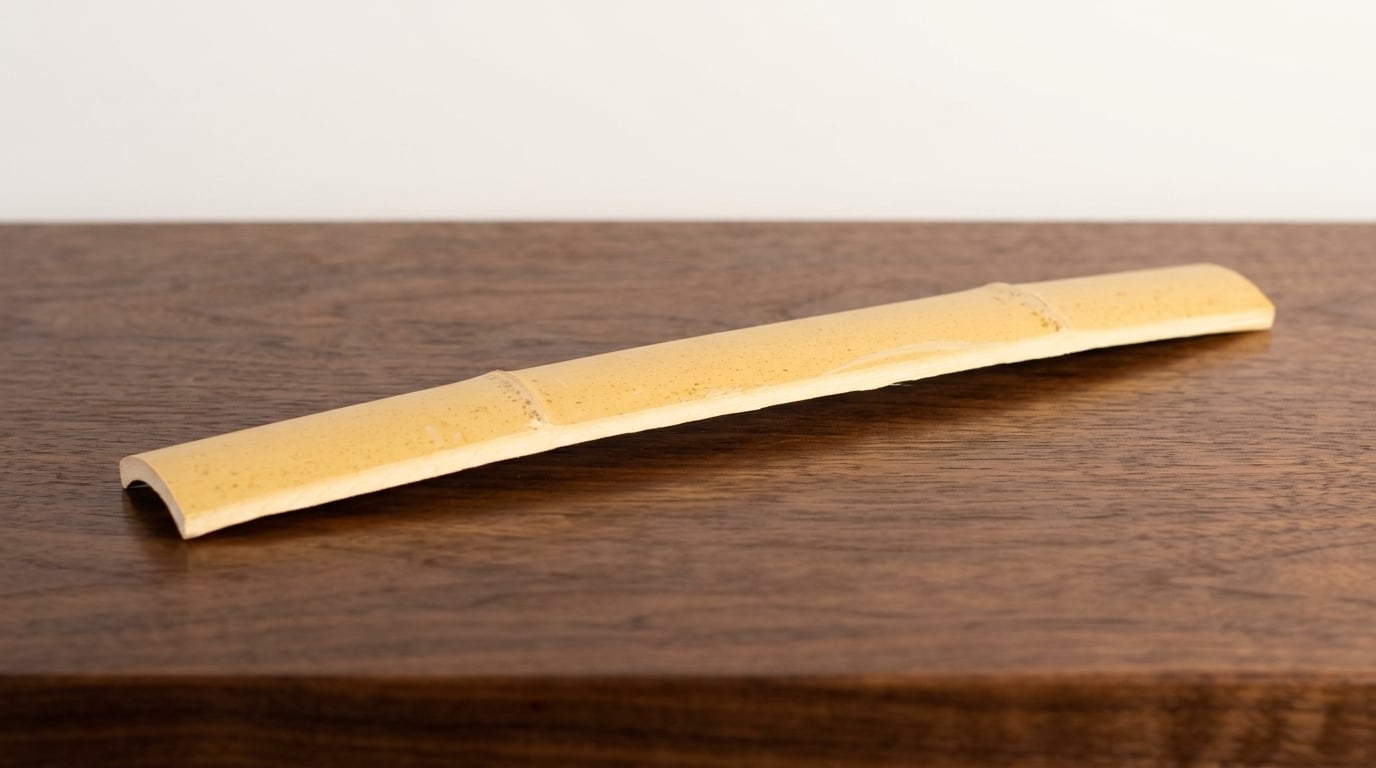
- Where to buy: 3Rivers Archery
- Price: $45.00 – $110.00
Hickory remains the go-to recommendation for beginners and traditionalists alike, largely because it is forgiving and widely available at traditional archery retailers such as 3Rivers Archery. Priced between $45.00 and $110.00, it offers a low barrier to entry without sacrificing performance. The wood bends well under stress and resists breaking even if your tillering isn’t perfect on the first try.
Pacific Yew Stave
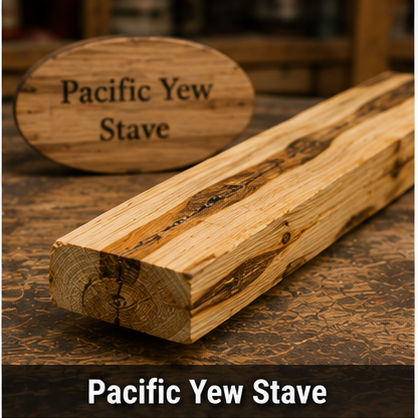
- Price: $150.00 – $300.00 or more
Pacific Yew is the historic standard for high-performance traditional bows, but accessing it requires effort due to limited stock and the frequent need to contact the seller for availability. With prices ranging from $150.00 to $300.00 or more, this is an investment grade material for experienced builders. The sapwood and heartwood combination allows for exceptional energy storage and smooth draw cycles, but you must be prepared to wait for the right piece.
Red Oak Board
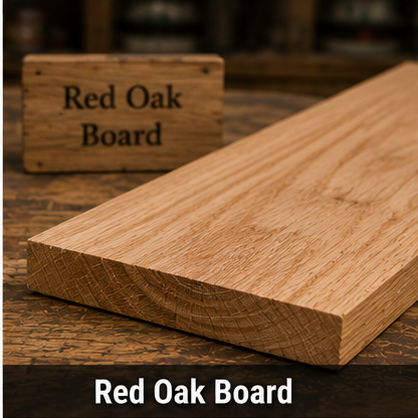
Red Oak is a common hardwood found in many local lumber yards, making it an accessible option for experimental builds or practice staves. While specific pricing and retailer details vary, it serves as a practical material for understanding basic bow mechanics without a significant financial commitment. It lacks the elite energy return of yew or the density of osage, but it provides a solid platform for learning tillering techniques.
The main types explained
Choosing the right wood affects your budget, the time you’ll spend working on the bow, and how it performs. Some species are forgiving for beginners, while others can snap under tension if the grain is handled poorly. Here’s a breakdown of the staves available now and who each one suits best.
- Osage Orange Stave: Prices range from $65.00 to $250.00. The price has risen 10–15% recently, but Osage remains a popular choice for serious builders. Construction requires chasing a heartwood growth ring, so it’s best for archers who understand grain orientation and want a durable, high-performance self bow. Staves are often available through specialty sellers such as Pine Hollow Longbows, Echo Archery, and Etsy.
- Pacific Yew Stave: This is the premium option, priced at $150.00 to $300.00 or more. Stock is often limited, so you may need to contact sellers directly to check availability. It suits experienced bowyers who are willing to invest in a material known for its elasticity and beauty.
- Hickory Stave: At $45.00 to $110.00, Hickory is an accessible entry point for traditional archery enthusiasts. It is generally available from retailers such as 3Rivers Archery, making it practical for anyone who wants reliable performance without Yew’s limited supply or Osage’s specific grain requirements.
- Vine Maple Stave: Costing $80.00 to $100.00, this wood falls in the mid-range price bracket. It’s a good alternative to more common hardwoods, with a balance of cost and workability that suits intermediate projects.
- Manau Rattan Stave: Sold in multi-packs for $40.00 to $70.00, including 2-pack and 3-pack options at 3Rivers Archery, this material suits beginners and anyone practicing tillering. Its lower cost per stave makes mistakes less expensive, which helps learners who need several attempts to get the shape right.
How to choose
Match the wood to your skill level and budget. Some staves need more patience than others, and a material that looks ideal on paper can stall the project if its quirks or price are beyond your comfort level.
- Expect to pay $150 to $300 or more for Pacific Yew. Stock is often limited and may not be listed openly, so you might need to contact sellers directly.
- Check several vendors for Osage Orange if you have a specific budget. Prices range from $65 to $250 depending on the seller.
- Skip Pacific Yew if you need materials right away. Finding a stave often means waiting for seller responses instead of clicking a simple buy button.
- Consider Red Oak for standard board dimensions, but verify that it suits your design goals. It lacks the specialized requirements attached to the other staves.
Cost and convenience will likely decide it. Hickory suits a straightforward purchase, while Yew makes more sense if you’re willing to wait and pay for a harder-to-find material.
Best picks by use case
For a first build on a tight budget, Hickory Stave is the most forgiving option. Priced between $45.00 and $110.00, it offers reliable performance without a high upfront cost. Traditional archery retailers such as 3Rivers Archery often carry it, so finding one is relatively straightforward.
Builders who value tradition and can spend more time sourcing materials may prefer Pacific Yew. These staves cost $150.00 to $300.00 or more, reflecting their premium price and historical significance. Stock is limited, so you’ll likely need to contact sellers directly to check availability.
Osage Orange sits in the middle on price, though it requires more care during the build. At $65.00 to $250.00, it is often available from vendors such as Pine Hollow Longbows and Etsy. Proper construction requires following a heartwood growth ring.
That makes it a good fit for someone with some experience who wants a durable bow without paying Pacific Yew prices.
Things to watch out for
Before you start shaving wood, remember that choosing a stave involves more than picking a species. Availability changes, prices have risen, and some woods need careful handling to prevent a break on the first draw.
- Pacific Yew stock is often limited, so contact sellers directly to check current availability before planning your build.
- Expect to pay more than last year. Average prices for Osage Orange and Yew staves have risen approximately 10–15% over the past twelve months.
- Osage Orange requires precise work. During construction, you must chase a heartwood growth ring to protect the bow’s structural integrity.
- Hickory is easier to source, with stock that is often available at traditional retailers like 3Rivers Archery. Some premium hardwoods are available only sporadically.
FAQ
Which wood is the most affordable for a beginner bowyer?
Hickory staves are generally a budget-friendly entry point, typically ranging from $45.00 to $110.00. You can often find them at traditional archery retailers like 3Rivers Archery, making them relatively easy to source without breaking the bank.
This price range makes hickory an ideal candidate for your first build or for practicing tillering techniques. It offers a forgiving balance of cost and performance while you develop your eye for grain and shape.
What makes Osage Orange different from other common bow woods?
Osage Orange is prized for its durability and elasticity, but it demands more attention during the build process. The construction specifically requires chasing a heartwood growth ring, which means you need to be precise with your tillering to avoid failure.
You will see prices vary widely for this wood, usually falling between $65.00 and $250.00 depending on the quality of the stave. Suppliers like Pine Hollow Longbows, Echo Archery, and various sellers on Etsy carry these staves, so you have several options when hunting for the right piece.
Is Pacific Yew easy to buy off the shelf?
No, Pacific Yew is often harder to source than hickory or oak because stock is limited. You should expect to pay a premium, with prices starting around $150.00 and easily climbing to $300.00 or more for high-quality specimens.
Since availability fluctuates, you will likely need to contact sellers directly to check if they have a stave that meets your needs. It is not always a simple click-and-buy situation, so patience is part of the purchase process.
Can I use standard lumber store boards for bow making?
The Red Oak Board is listed as an option, suggesting that readily available hardwoods can serve as a starting material. However, unlike the specialized staves prepared by archery suppliers, standard boards may require more initial processing to identify clear grain and remove defects.
If you choose this route, ensure the wood is free of knots and has straight grain running the length of the board. While specific pricing isn’t detailed here, using common lumber can be a cost-effective way to experiment if you know how to select the right piece.
Conclusion
For the classic challenge, choose Pacific Yew, but expect limited stock and a higher price. Osage Orange offers most builders the best balance of performance and availability, though finding enough heartwood can take patience. If you’re just starting out, Hickory is the budget-friendly workhorse.