
5 Wood Hand Planes That Define the Craft in 2026
Choosing a hand plane isn’t about collecting brass. It’s about finding a tool that fits your workflow: one that cuts cleanly, holds an edge, and feels manageable in your grip without turning the purchase into a major financial decision.
The five models below cover very different jobs, from trimming end grain to flattening long boards. That distinction matters more than the logo. A compact plane can be the better choice for control, while a long one earns its place by correcting larger surfaces.
Which hand plane actually belongs in your kit?
| Product | Price | Buy |
|---|---|---|
| Lie-Nielsen No. 60-1/2 Block Plane | $160.00 | Search on Amazon |
| Lie-Nielsen No. 8 Jointer Plane | — | Search on Amazon |
| Veritas Bevel-Up No. 1 | — | Search on Amazon |
| WoodRiver No. 4 Smoothing Plane | — | Search on Amazon |
| Stanley Sweetheart No. 4 Smoothing Plane | — | Search on Amazon |
Lie-Nielsen No. 60-1/2 Block Plane
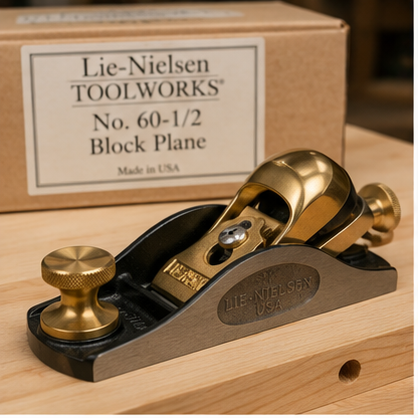
- Price: $160.00
The Lie-Nielsen No. 60-1/2 Block Plane is the compact specialist in this group. At $160.00, it is aimed at woodworkers who want more than a basic block plane for end grain, small parts, and difficult figured wood.
Its low-angle design helps it work through challenging fibers, while the short sole keeps the tool easy to control. That combination makes sense for fine trimming and small surfaces, especially when a longer bench plane would be awkward. The tradeoff is scope: it is precise and portable, but it is not the tool for flattening a full board.
Lie-Nielsen No. 8 Jointer Plane
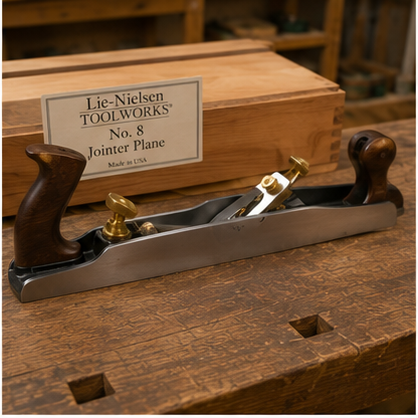
The Lie-Nielsen No. 8 Jointer Plane addresses the opposite problem. Its length and rigidity are intended to establish straight reference surfaces across long stock, where a short plane can follow hollows instead of correcting them.
That makes it useful for flattening long boards, jointing edges, and preparing surfaces for glue-ups. If your projects involve tables or large casework, the size is the point, but it also makes the plane less convenient for small details. The No. 60-1/2 is about control in a small area; the No. 8 is about maintaining a line across a large one.
Veritas Bevel-Up No. 1
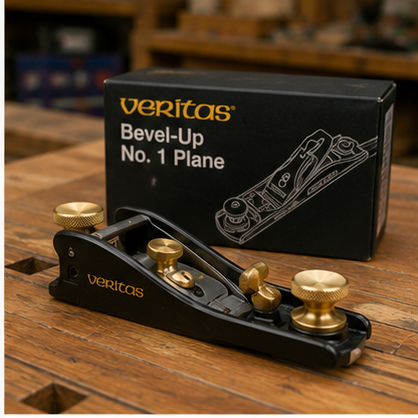
The Veritas Bevel-Up No. 1 is for woodworkers who want to alter cutting behavior through setup rather than add another plane to the bench. With the blade mounted bevel-up, changing blades or frogs can change the effective cutting angle.
That flexibility gives it a broader range than its compact size suggests. It can suit both softer woods and hard, interlocked grain, provided the user is willing to tune the configuration. This is less a straightforward general-purpose purchase than a choice for someone interested in the mechanics of the cut and the adjustments behind it.
WoodRiver No. 4 Smoothing Plane
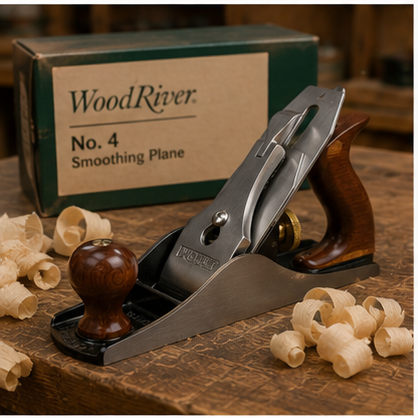
WoodRiver No. 4 Smoothing Plane is the most obvious everyday option in the selection. The No. 4 format is a familiar middle ground: small enough for comfortable handling and large enough for typical furniture-sized surfaces.
It offers an entry into higher-performance hand tools without the premium positioning of some competitors. The V3 series focuses on sole flatness and blade retention, which addresses two practical concerns in a smoothing plane. For an intermediate woodworker, that may matter more than heritage or specialized geometry.
Stanley Sweetheart No. 4 Smoothing Plane
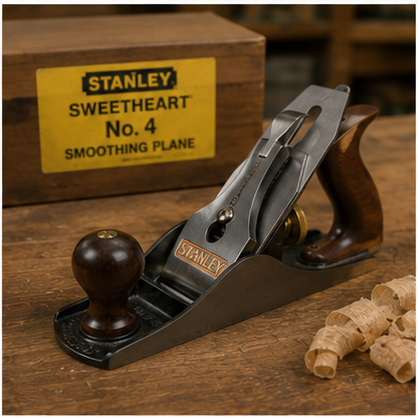
Stanley Sweetheart No. 4 Smoothing Plane takes a different route to the same broad job. Its appeal is tied to the traditional Stanley form and the effort to connect that familiar profile with contemporary manufacturing.
It suits someone who values a classic smoothing-plane identity and wants a standard No. 4 for everyday stock removal and finishing passes. Compared with the WoodRiver, the distinction is less about the basic task than about the relationship between heritage, current construction, price, and availability. Those details vary, so the model’s legacy is clearer than its buying position here.
The main types explained
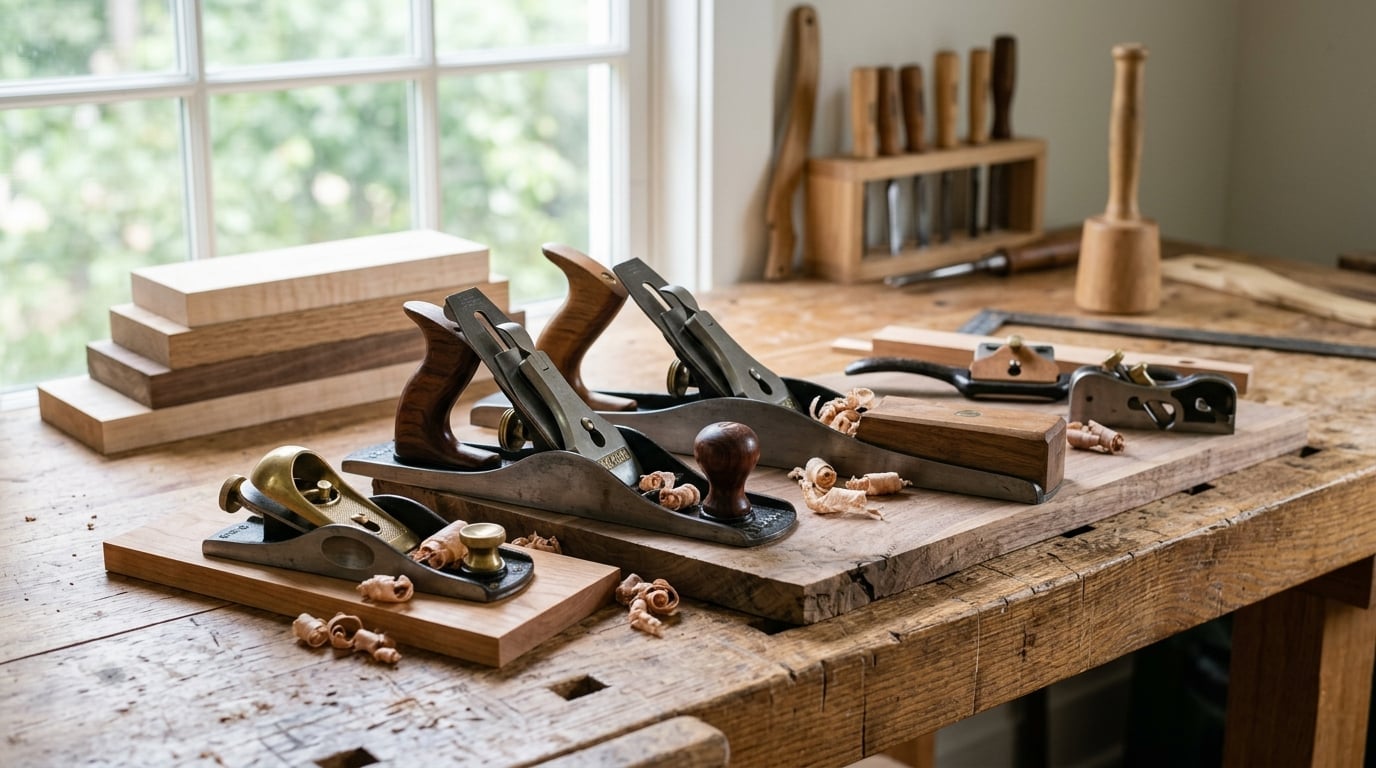
The results don’t list any wood-bodied hand planes. Every model cited from Lie-Nielsen, Veritas, or WoodRiver is a metal-bodied bench or block plane, so there are no wood-bodied variants to describe.
That makes the working differences especially important: sole length, blade arrangement, and intended scale of work do more to separate these choices than body material does.
How to choose
Start with the surface you need to change, not with the plane you happen to recognize. Trimming end grain, flattening long boards, and smoothing a finished surface call for different proportions and different kinds of control.
- Compare the price with how often you’ll use the plane. Premium brands often cost more and offer precise mechanical performance for serious woodworkers.
- Pay attention to the plane’s weight. Heavier castings can dampen vibration during aggressive cuts, while lighter bodies cause less fatigue during repetitive detail work.
Sole length is the useful shortcut here. A long sole can bridge imperfections and help create a flat surface; a short sole follows the contours of the workpiece and remains easier to maneuver. Once that choice is clear, brand and finish become secondary questions.
Best picks by use case
For a general shop plane without the premium pricing of the top-tier alternatives, the WoodRiver No. 4 Smoothing Plane is the practical starting point. Its standard size covers common smoothing work and fits the needs of hobbyists or anyone assembling a first bench.
Its advantage is not specialization. It is the possibility of handling routine surface preparation without paying primarily for a name.
For small, exacting work, the Lie-Nielsen No. 60-1/2 Block Plane makes a stronger case. Its $160.00 price reflects a tool built around fit, finish, end-grain work, and fine trimming rather than broad stock removal.
That is a worthwhile distinction: paying more for this plane makes sense when compact control is central to the work, not simply because a premium tool is attractive.
Large surfaces reverse the priority. The Lie-Nielsen No. 8 Jointer Plane has the length and mass to bridge low spots and establish straight edges or reference faces. It is specialized, but that specialization is exactly what smaller planes cannot replace when the stock is long.
In other words, the best pick depends on which limitation you need to remove: reach, compact control, or everyday versatility.
Things to watch out for
Before spending heavily on a premium hand plane, look beyond the initial price. Sharpening requirements and purchasing channels can shape the ownership decision just as much as the plane’s geometry.
- Veritas PM-V11 steel blades hold an edge very well, but the steel is harder than traditional varieties and requires diamond stones for sharpening.
- Lie-Nielsen tools aren’t sold in big-box stores. You’ll generally need to order from the company’s website or buy through an authorized dealer.
- Veritas planes are available through Lee Valley and select international distributors. In many areas, that can make local pickup difficult.
- WoodRiver V3 models are sold through Woodcraft and Rob Cosman’s website, so there are fewer places to buy them than mass-market brands.
Those details return to the same buying principle as sole length: the right plane is the one whose demands fit the work and the way you maintain tools.
FAQ
What is the actual cost of a Lie-Nielsen block plane?
Which jointer plane does Lie-Nielsen offer in this selection?
Lie-Nielsen offers the No. 8 Jointer Plane for long, straight edge work.
What bevel-up option is available from Veritas?
Veritas offers the Bevel-Up No. 1.
Which smoothing planes are included in this group?
The two smoothing planes are the WoodRiver No. 4 Smoothing Plane and the Stanley Sweetheart No. 4 Smoothing Plane.
Both are designed for the same general task, but they come from different manufacturers.
Conclusion
If compact precision is the priority, the Lie-Nielsen No. 60-1/2 Block Plane is the clearest choice. The Veritas Bevel-Up No. 1 is the better fit for someone who wants to fine-tune cutting behavior through setup.
WoodRiver and Stanley provide familiar starting points for smoothing work, while the Lie-Nielsen No. 8 Jointer Plane is the specialist for long, demanding flattening and jointing tasks.
Choose according to the scale of your work first, then weigh price, sharpening, and availability. The plane that fits those constraints will do more for the bench than the most impressive-looking addition to a collection.