Best Adhesive for Rubber to Rubber: Top Picks for Strong Bonds
Rubber-to-rubber bonding is less straightforward than it first appears. The material flexes, can repel moisture, and may contain oils that interfere with adhesion. A suitable glue therefore needs to cure quickly without becoming so brittle that movement breaks the joint. Cyanoacrylate, commonly called super glue, is a sensible starting point—but the best option still depends on how the pieces meet and how much they will move.
Three options stand out, each for a different reason: industrial-strength positioning, a thin fast-curing formula, or a thicker gel that is easier to control.
Which adhesive actually holds rubber together?
Adiglue
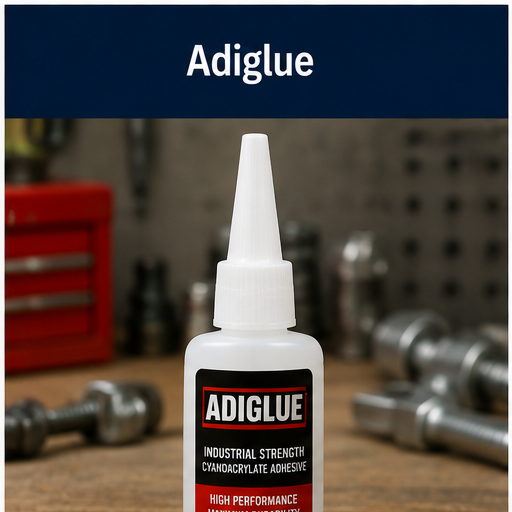
Adiglue is an industrial strength adhesive designed to outperform standard super glues on rubber surfaces. The manufacturer claims it forms a stronger bond than typical consumer-grade cyanoacrylates, making it suitable for demanding repairs that require flexibility and durability. That positioning matters most when a quick household fix is not the only priority; users may prefer it when generic instant adhesives have failed to hold over time.
It’s available on Amazon.
Loctite Super Glue
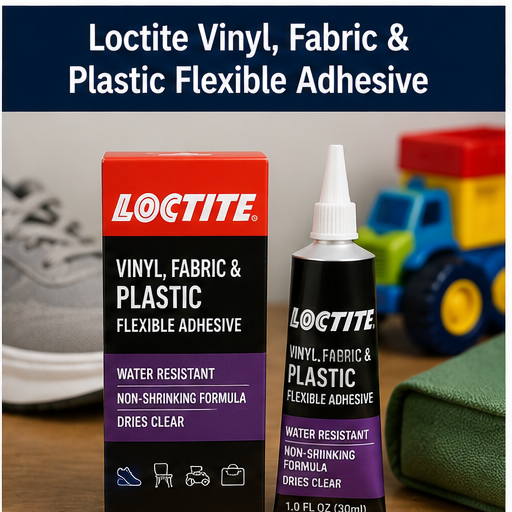
Loctite Super Glue is a widely recognized cyanoacrylate adhesive that bonds various materials, including rubber. It cures quickly when it reacts with moisture on the surface, so there is no mixing and fixture times are short. That makes it a practical fit for small repairs where speed is more important than specialized application control.
Although it works well on materials such as wood and metal, its performance on rubber depends on the compound and surface preparation. You can find it on Amazon.
LePage Super Glue Gel Control
LePage Super Glue Gel Control takes the same general super-glue approach but changes how the adhesive behaves during application. Its gel consistency prevents running and allows precise placement on vertical or porous surfaces. That can be useful on uneven or textured rubber, where a thin liquid may travel before the pieces are aligned. It is also suitable for bonding rubber to materials such as leather, with a solid hold and less mess than liquid variants.
This product is listed on Amazon.
The main types explained
The practical split is not simply “strong” versus “weak.” These choices represent different priorities: industrial-strength claims, a familiar thin liquid, and a controlled gel. The right one depends on whether the joint needs extra durability, fast penetration into a close seam, or easier handling during alignment.
Adiglue: This high-performance, industrial-strength glue is intended for bonds that need to outlast standard super glue. It suits jobs where durability matters more than a quick household repair.
Loctite Super Glue: This versatile, high-strength cyanoacrylate adhesive works on rubber, wood, metal, and ceramic. It’s a practical choice for general repairs that need a reliable, fast-curing bond without specialized equipment.
LePage Super Glue Gel Control: Described as one of the strongest super glues available, this gel is noted for its performance on porous materials such as rubber and leather. Its thicker formula gives users more control during application and helps it hold on textured surfaces.
How to choose
Start with the joint rather than the brand. A flat, closely fitting seam may benefit from a thin adhesive, while an awkward or vertical surface is easier to manage with a gel. If the bond will face repeated movement, the industrial-strength option deserves consideration, although any cyanoacrylate choice can be affected by the rubber compound and preparation.
Pick LePage Gel Control if you dislike runny liquids. Its thicker consistency stays where you apply it, which helps prevent drips on vertical rubber surfaces.
Choose standard Loctite Super Glue if you want a widely recognized brand and a thin formula that may seep into tight seams between rubber pieces.
Consider Adiglue if you want to try an alternative on Amazon that may come at a different price or in a different bundle size than the larger brands.
Check the current Amazon listings to compare the cost per ounce. Buying in bulk can make a noticeable difference for small projects.
Look at the nozzle design in each listing. Precise application helps keep the glue off your fingers as you bond the rubber.
That returns to the central tradeoff: gel provides control, while liquid may penetrate a tight seam more readily. Neither consistency is automatically better; the shape and movement of the joint decide which advantage matters.
Best picks by use case
For a quick Amazon fix, Adiglue is the straightforward choice. It works well for simple repairs when you need to get the job done without searching obscure industrial suppliers.
Loctite Super Glue suits anyone who wants a familiar brand that ships quickly through Amazon. It handles basic rubber bonding without a special order or a trip to the hardware store.
LePage Super Glue Gel Control makes more sense for vertical or slippery rubber pieces. The gel stays in place instead of running over your fingers, which helps when aligning two flexible surfaces. It is available on Amazon, so you get more control without waiting for a specialty adhesive.
Things to watch out for
Fast curing is useful, but it should not be confused with universal compatibility. Cyanoacrylate adhesives do not work equally well with every rubber compound or surface condition. The joint’s flexibility, cleanliness, and exposure to stress can matter as much as the product label.
Adiglue is marketed as an industrial-strength adhesive that outperforms standard super glues. It’s better suited to heavy-duty bonding than quick fixes for light tasks.
Loctite Super Glue works on many materials, including rubber, but results can vary with the type of rubber and the quality of the surface preparation.
LePage Super Glue Gel Control is formulated for porous materials such as rubber and leather. It may be less suitable for non-porous, slick synthetic rubbers.
Cyanoacrylate adhesives need some moisture on the surface to cure. Extremely dry or sealed rubber may not bond properly without enough ambient humidity or a primer.
Reviews, the good and the not-so-good
Buyers often choose cyanoacrylate for rubber-to-rubber bonds because it sets quickly and is easy to use. Reviews of Adiglue, Loctite, and LePage mention industrial strength and better gel control, though standard super glues can struggle with some flexible rubbers unless you use a primer. In other words, a favorable product reputation cannot remove the need to match the adhesive to the rubber.
Reviews often rate Adiglue highly for rubber, describing it as an industrial-strength adhesive that lasts longer than standard super glues in durability tests.
Many users consider Loctite Super Glue a reliable, strong option for rubber projects. It also bonds materials such as wood and metal and cures quickly.
Users often recommend LePage Super Glue Gel Control for porous materials such as rubber and leather. Its gel formula stays in place and is less runny than liquid glue.
Cyanoacrylate sets quickly and works with many materials, but results depend on the type of rubber. Some flexible rubbers need a more specialized adhesive or a primer for a lasting bond.
FAQ
Which glue actually holds rubber to rubber without peeling?
Rubber is tricky because it flexes, so you need an adhesive that can move with it rather than snapping under stress. For this specific job, Adiglue is often the go-to recommendation because it is formulated to handle the unique surface energy of rubber materials.
Unlike standard super glues that can become brittle and crack when the rubber bends, Adiglue maintains a bond that withstands that constant flexing. It is widely available on Amazon, making it an accessible option if you are looking for a specialized solution rather than a general-purpose household fix.
Can I use regular super glue for a quick rubber repair?
If you are in a pinch and need speed, Loctite Super Glue is a solid choice. It bonds quickly and creates a strong hold, which is ideal for small tears or non-flexing areas where immediate adhesion matters more than long-term elasticity.
You can find Loctite Super Glue on Amazon, and it works well for minor fixes where the rubber parts do not undergo heavy stretching. Just keep in mind that while it is strong, it may not offer the same flexibility as a dedicated rubber adhesive over time.
What if I need more control during application?
Liquid glues can run or drip into places you do not want them, which is messy on porous or textured rubber surfaces. LePage Super Glue Gel Control solves this by offering a thicker consistency that stays exactly where you put it.
This gel formula allows for precise application, ensuring you do not waste product or create a mess on surrounding areas. Like the others, it is available on Amazon and provides the strength of a super glue with the manageability of a gel, making it easier to handle for detailed repairs.
Where can I buy these adhesives?
All three options, Adiglue, Loctite Super Glue, and LePage Super Glue Gel Control, are available on Amazon. This makes comparing prices and reading user reviews straightforward before you commit to a purchase.
Sourcing them from a single platform like Amazon also simplifies shipping if you decide to buy more than one type to test which works best for your specific rubber project. Always check the current listings for any bundle deals or size variations that might suit your needs better.
Conclusion
For most rubber-to-rubber jobs, LePage Super Glue Gel Control is the strongest starting point when the surface is vertical, uneven, or difficult to keep aligned. Loctite Super Glue is a solid alternative for tight, flat seams that need a fast-setting liquid, while Adiglue is the more relevant consideration when durability and industrial-strength claims matter most.
Match the consistency and claimed strength to the joint, then give equal attention to the rubber surface itself. That is the simplest way to avoid treating every rubber repair as the same problem.