Best Grease for Polyurethane Bushings: A Curated Roundup
Polyurethane bushings sharpen the feel of a suspension, but they can also introduce squeaks. Friction at the bushing interface is usually the immediate problem; the harder part is choosing a lubricant that remains in place, survives water exposure, and is compatible with the bushing material.
That makes this less a search for one universally “best” grease and more a choice between dedicated suspension products, versatile synthetics, and thinner silicone-based lubricants. Here are six options, each suited to those demands in a different way.
Which grease keeps polyurethane bushings quiet and durable?
Energy Suspension Formula 5 Prelube
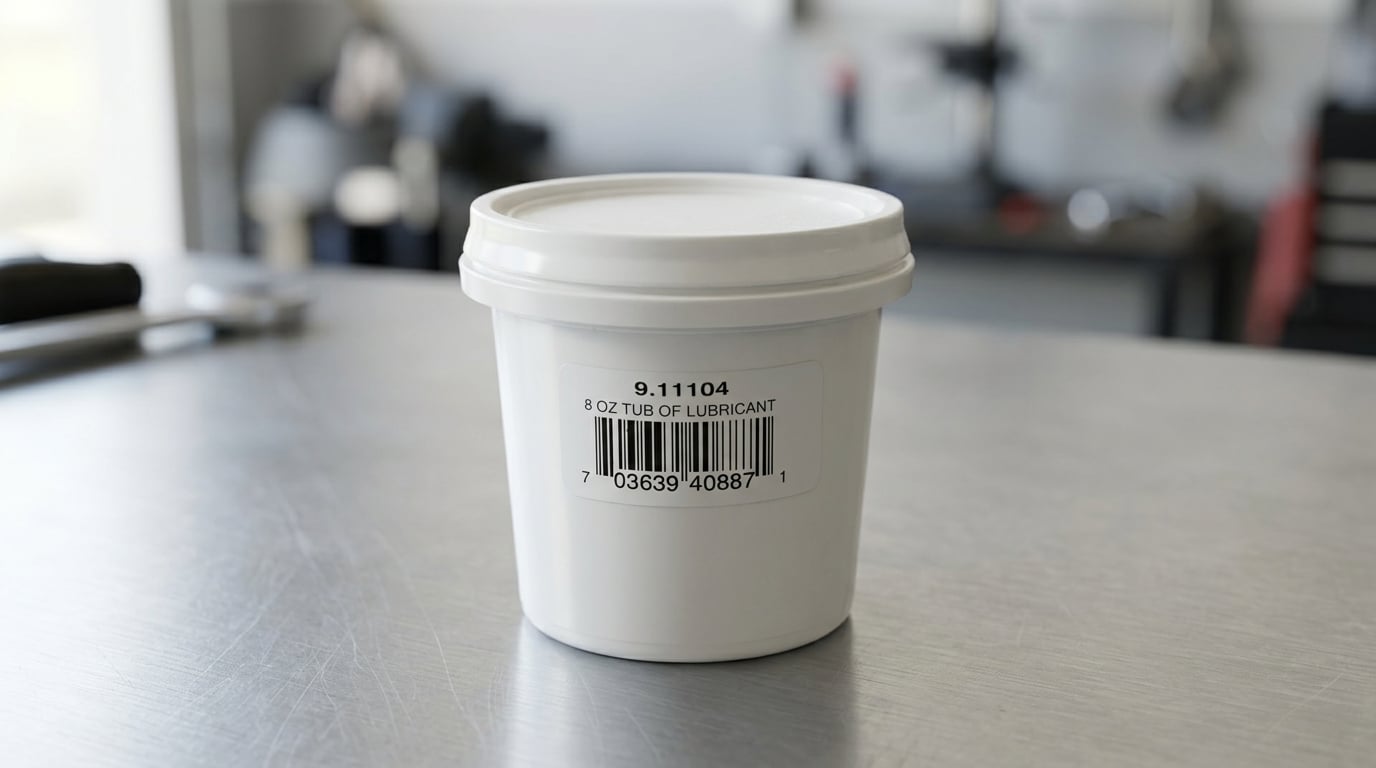
Energy Suspension Formula 5 Prelube is the most direct match for Energy Suspension bushing kits. Its highly tacky formula resists water washout, so it is intended to stay at the interface when wet conditions would challenge a thinner lubricant.
The 8 oz tub costs between $17.54 and $18.99, making the quantity notable when compared with smaller tubes. It is sold by AutoZone, O’Reilly Auto Parts, Summit Racing, and JEGS. For Energy Suspension components, the manufacturer-specific fit is the main reason to choose it, not merely the package size.
Prothane Super Grease
Prothane Super Grease is made for suspension lubrication and is formulated to reduce friction and the squeaks associated with polyurethane upgrades. Pricing and volume details are not provided here, so the decision rests more on intended use and brand alignment than on a clear value comparison.
Amazon availability makes it easy to add alongside other suspension components. It is a sensible fit for builders already using Prothane bushings or for anyone who prefers a lubricant made specifically for high-load suspension points. The tradeoff is that its package value cannot be assessed from the information available here.
Super Lube Multi-Purpose Synthetic Grease
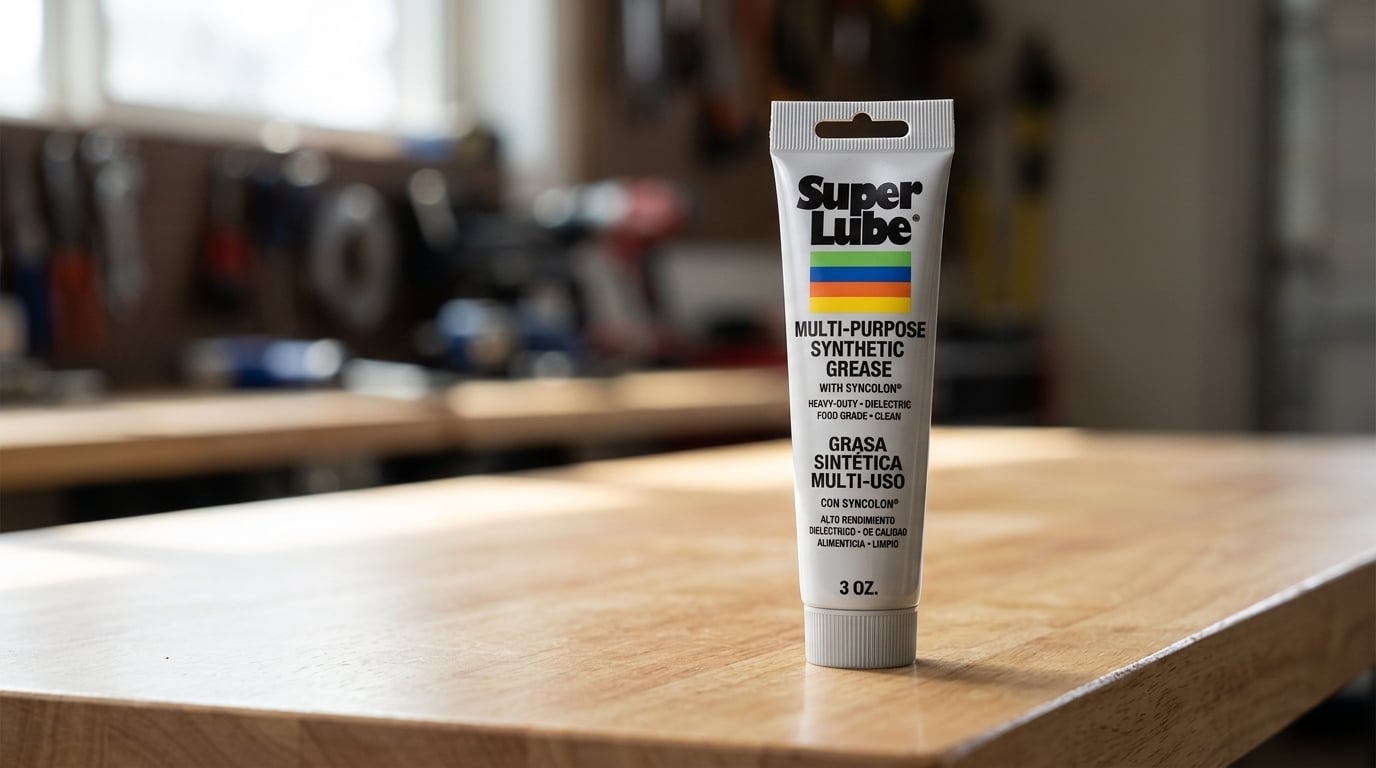
Super Lube Multi-Purpose Synthetic Grease takes a broader approach. The 92003 variant is a silicone lubricating grease with Syncolon/PTFE, and it is safe for polyurethane, rubber, and plastic. That material compatibility makes it useful when a project includes more than one type of component.
At $15.50 to $20.99 for a 3 oz tube, it sits in a moderate price range for a synthetic lubricant. Amazon, Walmart, Home Depot, and specialized industrial suppliers carry it, so availability is another practical advantage. Its strength is versatility; its limitation is that it is not presented as a polyurethane-bushing-specific product in the same way as the dedicated prelubes.
SuperPro Suspension Bushing Grease
SuperPro Suspension Bushing Grease is aimed directly at performance suspension systems. It is intended to handle the pressure and movement associated with demanding suspension use, including aggressive driving or off-road applications.
Specific price and size details are not listed, but Amazon availability keeps it accessible to enthusiasts. Choose it when suspension-specific positioning matters more than having a general-purpose grease for unrelated jobs. That focus may be useful, although the missing package information makes it harder to compare on cost.
Creative Steel Polyurethane Bushing Grease
Creative Steel Polyurethane Bushing Grease is another focused option for polyurethane components. It is intended to help prevent noise and wear in polyurethane installations and is available on Amazon.
Specific pricing and volume details are not provided. That leaves its appeal tied to its narrow purpose: it suits users who want a straightforward product for polyurethane bushings, especially those already familiar with Creative Steel chassis parts. There is no need to favor it for versatility; its value is in staying close to the application.
Permatex Silicone Ceramic Extreme Brake Parts Lubricant
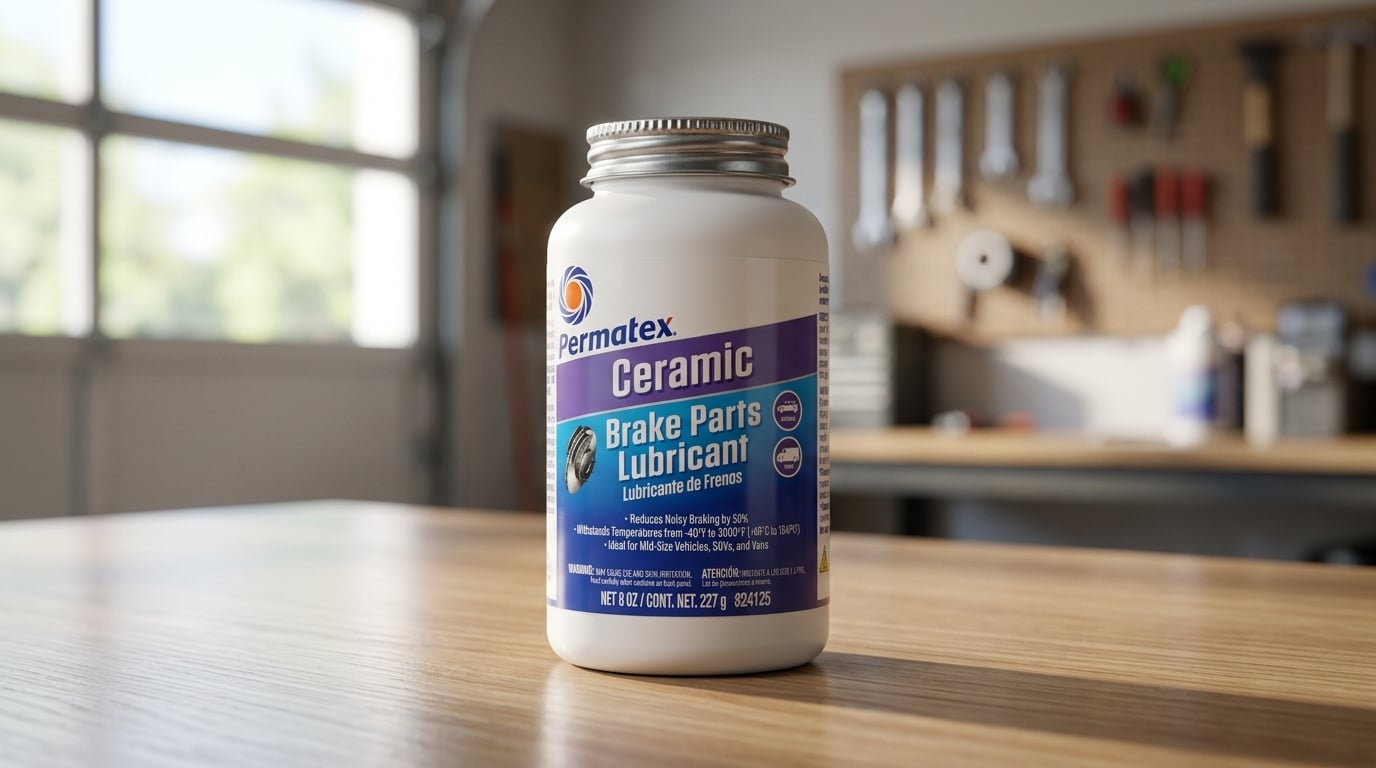
Permatex Silicone Ceramic Extreme Brake Parts Lubricant belongs in a different category. It is made for brake parts, but its silicone base is compatible with polyurethane and resistant to extreme temperatures. Because it is not a thick grease, it will behave differently under load than the tackier suspension products above.
That distinction matters more than its compatibility alone. It can suit someone who already has the product for brake work and needs a compatible answer for minor bushing noise, but it may not remain in place as long in a high-movement suspension joint. For a permanent installation, a dedicated, thicker suspension lubricant is the more cautious choice.
https://twitter.com/_ifssss/status/2083492597260034063/quotes
The main types explained
The comparison becomes clearer when the products are grouped by purpose. Dedicated suspension prelubes prioritize staying at the bushing interface, while multi-purpose synthetic greases trade some application-specific focus for broader material compatibility. Silicone-based brake lubricant is the outlier: compatible in this context, but thinner and aimed primarily at another job.
-
Energy Suspension Formula 5 Prelube: This highly tacky, water-resistant formula is made for Energy Suspension applications. It comes in an 8 oz tub and is stocked by AutoZone, O’Reilly Auto Parts, Summit Racing, and JEGS.
-
Super Lube Multi-Purpose Synthetic Grease: This silicone-based grease contains Syncolon/PTFE and is safe for polyurethane, rubber, and plastic. The 3 oz tube is available from Amazon, Walmart, Home Depot, and specialized industrial suppliers.
The practical divide is therefore simple: choose the dedicated option when interface retention and brand-specific application lead the decision; choose the synthetic when one compatible grease needs to cover several materials and jobs.
How to choose
Start with the workload, then decide how specialized the lubricant needs to be. Package size matters, but it should not outweigh compatibility or the likelihood that the grease will remain where it is applied.
-
Compare the tube volume with your workload. Installing a full set of control arm bushings uses much more product than refreshing a few sway bar links.
-
Choose a brand-specific prelube if you want the formulation matched to that manufacturer’s polyurethane compound for compatibility.
-
Choose a multi-purpose synthetic grease if you want one tub for suspension work and other general mechanical tasks.
-
Look for suspension-specific branding if you want a product marketed for high-load automotive pivots rather than general industrial use.
-
Select a silicone-based ceramic lubricant if extreme temperature resistance and water repellency matter more to you than a traditional thick grease.
-
Consider bulk or professional-grade packaging if you run a shop or plan to service multiple vehicles. Larger quantities often lower the cost per application.
-
Check whether the product includes an applicator tip or nozzle. Precise placement inside tight bushing housings can save time and reduce mess during installation.
The earlier contrast between Formula 5’s tackiness and Super Lube’s versatility is the useful shortcut here. If the job is a single polyurethane installation in wet or demanding conditions, staying power deserves priority. If the same tube will also serve rubber, plastic, and other mechanical tasks, broader compatibility may justify choosing the synthetic instead.
Best picks by use case
If you’re replacing old rubber with Energy Suspension parts, use their Formula 5 Prelube. It is made for their polyurethane compounds and its tacky, water-resistant formulation is suited to remaining at the interface. The 8 oz tub also makes it the clearer choice when the project needs more than a small amount.
For one grease that covers suspension work and general garage maintenance, Super Lube Multi-Purpose Synthetic Grease is the practical alternative. Its compatibility with polyurethane, rubber, and plastic, along with its availability through several retailers, reduces the need to keep separate lubricants for different materials.
When the priority is a lubricant specifically associated with polyurethane noise and wear, Creative Steel Polyurethane Bushing Grease is a focused option. It is less about broad utility than about keeping the product choice close to the bushing application. That distinction echoes the main decision throughout this roundup: specialization versus flexibility.
Things to watch out for
Before packing the bushings, confirm that the lubricant is compatible with the material and appropriate for the amount of movement and exposure involved. A product can be silicone-based and compatible with polyurethane without being the best choice for every high-load suspension interface.
-
Super Lube 92003 is safe for polyurethane, rubber, and plastic. It is a silicone lubricating grease with Syncolon/PTFE.
-
Energy Suspension 9.11104 Formula 5 Prelube resists water. Its highly tacky formula helps it stay in place under harsh conditions.
FAQ
Is regular chassis grease safe for polyurethane bushings?
Not automatically. Stick to lubricants specifically formulated for polyurethane or otherwise identified as compatible with it. Standard petroleum-based greases can cause the material to swell, soften, or degrade over time, undermining the purpose of installing stiffer bushings.
The options listed here, including Energy Suspension Formula 5 Prelube and Prothane Super Grease, are presented with polyurethane applications in mind. A lubricant that silences a squeak briefly is not necessarily a sound long-term choice if it can attack the bushing material.
Can I use silicone-based lubricants on suspension bushings?
Silicone-based lubricants can be compatible with polyurethane and offer water resistance, but compatibility is only the first check. You also need to consider whether the product is thick and adhesive enough for the joint’s movement and load.
Permatex Silicone Ceramic Extreme Brake Parts Lubricant is the silicone-based option in this lineup, though its primary marketing focuses on brake parts. Dedicated products such as SuperPro Suspension Bushing Grease may make more sense when remaining in place through repeated suspension articulation is the central concern.
What makes synthetic grease a good choice for this application?
Synthetic formulations can offer useful temperature stability and longevity compared with conventional mineral oils. Super Lube Multi-Purpose Synthetic Grease fits that broader category while also being safe for polyurethane, rubber, and plastic.
That combination matters when one project involves mixed materials or when the lubricant will be used beyond the suspension. The compromise is straightforward: a general-purpose synthetic may be more convenient, while a dedicated prelube may keep the decision more tightly matched to the bushing interface.
Do I need a special grease for off-road or heavy-duty use?
Demanding applications place greater importance on adhesion and resistance to contamination from water or mud. A product marketed for suspension use, such as SuperPro Suspension Bushing Grease, is a more direct fit than a thin lubricant intended mainly for brake parts.
The central question returns to staying power. If the vehicle is subjected to higher stress, choose a product that emphasizes adhesion and durability rather than selecting solely on material compatibility. That can reduce the need for frequent reapplication, although no option removes the need to inspect the installation.
Conclusion
For a versatile option, Super Lube Multi-Purpose Synthetic Grease stands out because it is safe for polyurethane, rubber, and plastic and is available in several types of retail and industrial outlets. For a purpose-built suspension choice, Energy Suspension Formula 5 Prelube offers a highly tacky, water-resistant formula in a larger 8 oz tub.
Use the dedicated prelube when staying power and application-specific design lead the decision. Choose the synthetic when broader material compatibility and one-grease convenience matter more. In either case, confirm polyurethane compatibility before installation and match the quantity to the work rather than treating package size as the only measure of value.